Introduction
Most cold emails fail for one simple reason:
They feel cold.
Generic outreach no longer works in 2026.
Decision-makers receive dozens of emails every day, and they can instantly recognize copy-paste messaging.
That’s why cold email personalization has become one of the most important factors in outbound lead generation.
But personalization does not mean simply adding someone’s first name.
Real personalization is about making your outreach feel:
• relevant
• thoughtful
• contextual
When done correctly, personalized cold emails can dramatically improve:
• reply rates
• engagement
• booked meetings
In this guide, you’ll learn:
• what cold email personalization actually means
• different levels of personalization
• how to personalize outreach at scale
• common mistakes to avoid
• tools and workflows that improve results
What is Cold Email Personalization
Cold email personalization is the process of customizing outreach based on information about the prospect or their company.
The goal is to make the email feel:
• relevant to the recipient
• aligned with their business situation
• different from mass outreach
Personalization helps create one important feeling:
“This email was written specifically for me.”
That is what increases responses.
Why Personalization Matters More Than Ever
Modern buyers are overwhelmed with outreach.
Most inboxes are filled with:
• generic pitches
• automated sequences
• irrelevant offers
As a result, people ignore anything that looks mass-produced.
Personalization changes that.
It helps you:
• stand out in crowded inboxes
• build trust faster
• improve conversation rates
The Biggest Myth About Personalization
Many people believe personalization means spending 20 minutes researching every prospect.
That’s not true.
Good personalization is not about writing essays.
It’s about adding relevant context.
Even a small but meaningful detail can improve results significantly.
Different Levels of Cold Email Personalization
Not all personalization is equal.
Some methods barely make a difference, while others dramatically improve engagement.
Basic Personalization
This includes:
• first name
• company name
• job title
This is standard today.
On its own, it’s not enough.
Contextual Personalization
This is where personalization becomes effective.
Examples include:
• recent LinkedIn activity
• company growth
• hiring trends
• product launches
This shows the recipient that you did some research.
Insight-Based Personalization
This is the highest level of personalization.
It focuses on:
• business challenges
• potential gaps
• strategic observations
Instead of simply mentioning a fact, you connect it to a relevant business problem.
This creates stronger conversations.
How to Find Personalization Opportunities
You do not need complicated systems.
Most personalization opportunities are publicly available.
LinkedIn Profiles
LinkedIn is one of the best places for prospect research.
Look for:
• recent posts
• company updates
• role changes
• hiring activity
These provide natural conversation starters.
Company Websites
Check:
• service pages
• team growth
• recent announcements
• case studies
This helps you understand their positioning and priorities.
Industry Trends
You can also personalize based on industry-wide challenges.
Example:
• SaaS companies scaling outbound
• agencies struggling with pipeline consistency
• startups expanding into new markets
Industry relevance improves engagement.
The Best Cold Email Personalization Framework
A simple framework works best.
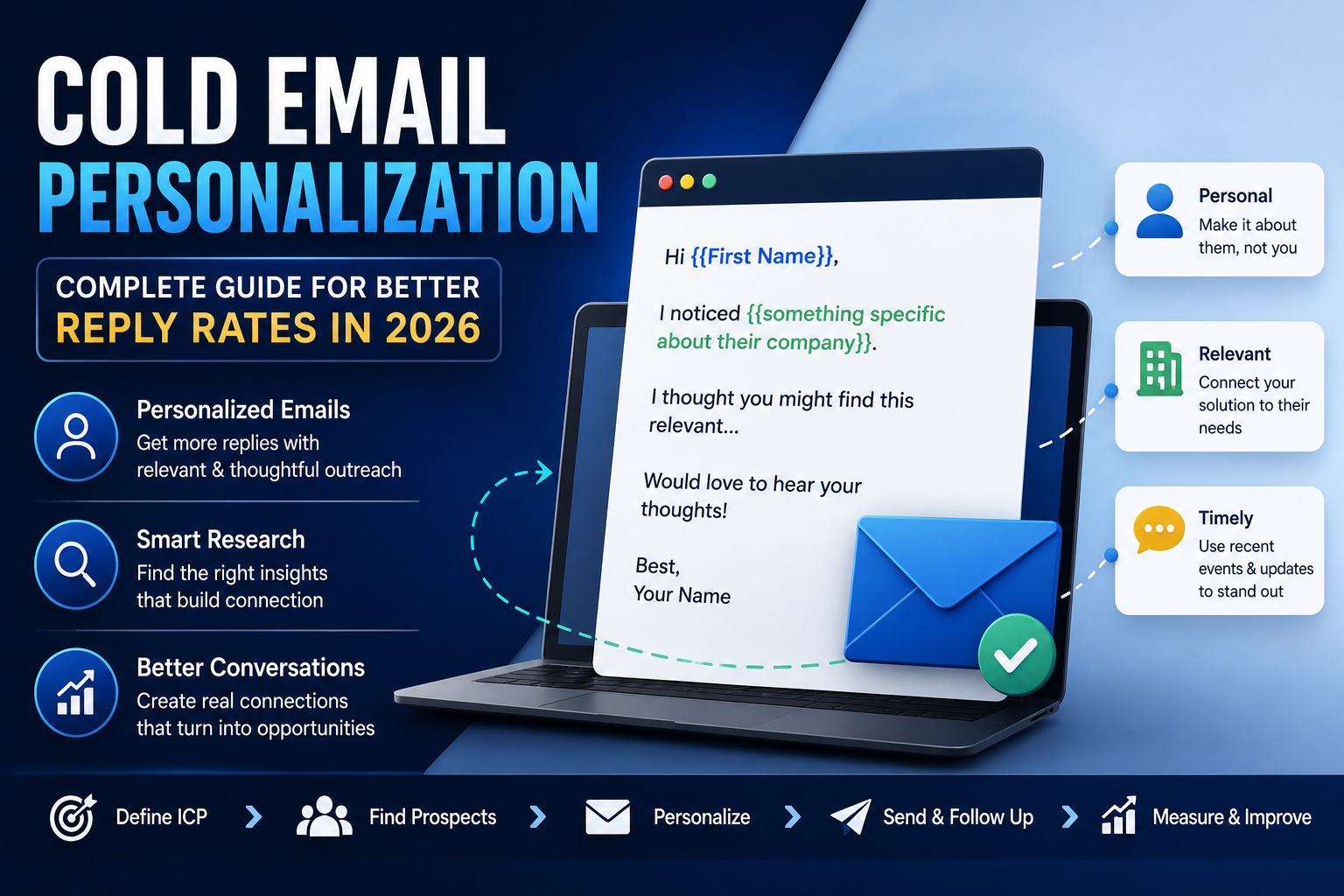
Observation → Relevance → Conversation
Observation
Mention something specific.
Example:
• recent hiring
• expansion
• product launch
Relevance
Connect it to a likely challenge.
Example:
Growing sales teams often struggle with pipeline consistency.
Conversation
End with a natural question or invitation.
This structure feels relevant without sounding overly sales-focused.
How to Personalize Cold Emails at Scale
One of the biggest challenges is balancing personalization with volume.
The solution is structured personalization.
Segment Your Audience
Instead of personalizing every email manually, group prospects by:
• industry
• role
• company size
Then create messaging relevant to each segment.
Use Dynamic Variables Carefully
Personalization variables help save time.
Examples include:
• company name
• role
• industry references
But avoid over-automation.
If the email feels robotic, response rates drop.
Create Personalization Snippets
Build reusable opening lines for common situations.
Examples:
• hiring-based personalization
• funding announcements
• growth-stage messaging
This speeds up workflow without sacrificing relevance.
Common Cold Email Personalization Mistakes
Even good outreach can fail because of poor execution.
Over-Personalization
Trying too hard can feel uncomfortable.
Avoid mentioning overly personal details.
Keep it professional.
Fake Personalization
Generic compliments are easy to spot.
Example:
“I love what your company is doing.”
This adds no real value.
Long Personalized Intros
Your opening should be concise.
The goal is to create relevance quickly.
Ignoring the Offer
Personalization alone does not generate replies.
Your offer and positioning still matter.
AI and Cold Email Personalization
AI tools are changing outbound lead generation.
They help with:
• prospect research
• personalization ideas
• data enrichment
• workflow automation
But AI should support personalization — not replace human relevance.
The best results come from combining:
• automation
• strategic thinking
• real business context
Why Data Quality Matters
Even the best personalization fails if your contact data is inaccurate.
Before sending campaigns, always verify your email lists.
Invalid emails can:
• increase bounce rates
• damage sender reputation
• reduce deliverability
You can use
Email Verifier by Maan Digital Solutions
to clean your email lists and improve campaign performance.
Cold Email Personalization Workflow
A simple workflow makes outbound more scalable.
Step 1: Define Your ICP
Focus on:
• industry
• company size
• decision-makers
Step 2: Build Prospect List
Use prospecting tools and LinkedIn research.
Step 3: Add Personalization Layer
Include:
• contextual observations
• relevant insights
• industry relevance
Step 4: Launch Outreach Sequence
Combine:
• personalized first email
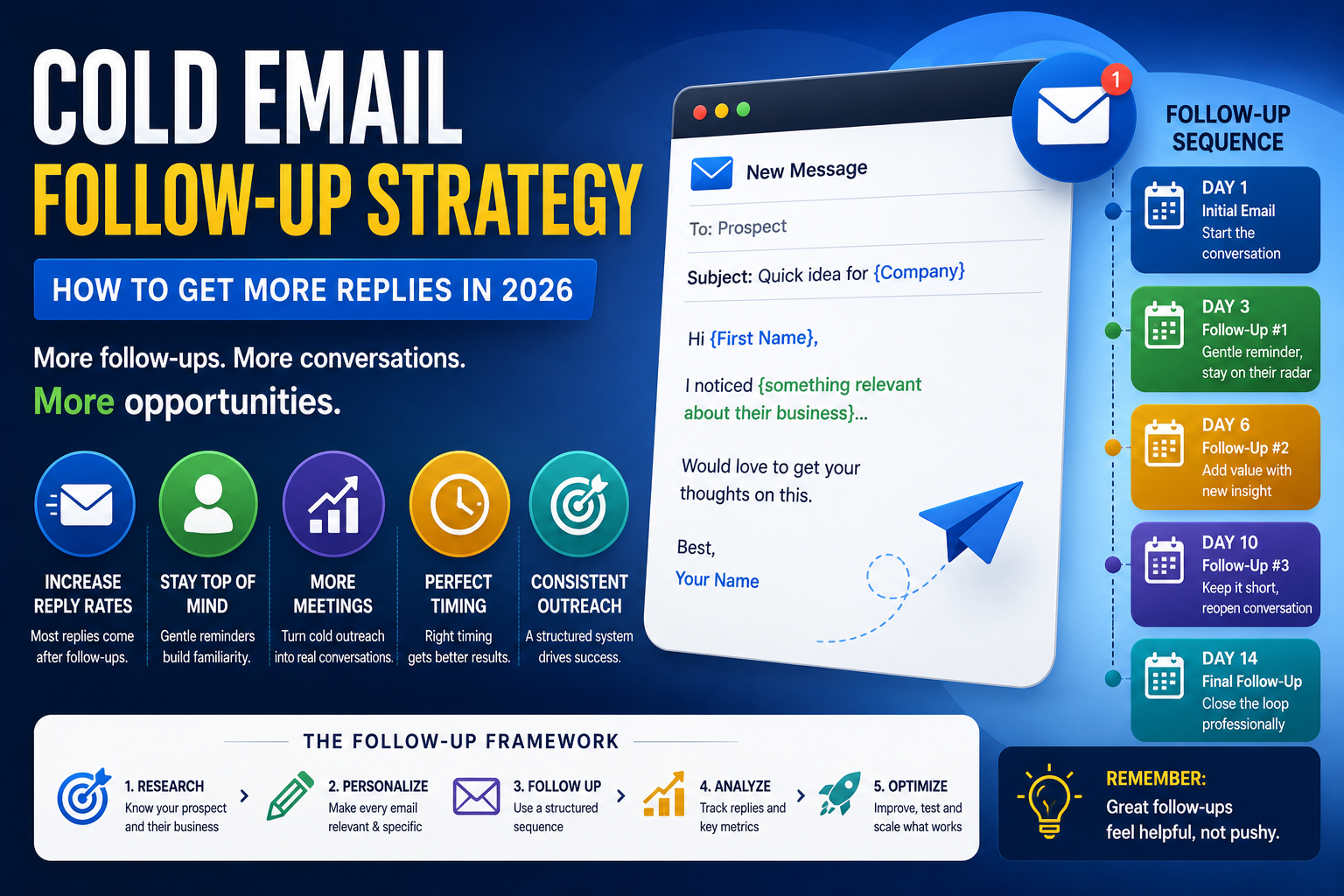
• follow-up system
• performance tracking
Step 5: Optimize Continuously
Track:
• reply rates
• positive responses
• meeting conversions
Then refine messaging over time.
Internal Linking Strategy
This blog should connect with:
• Cold Email Outreach Guide
• Outbound Lead Generation Guide
• LinkedIn Lead Generation Strategy
This strengthens topical authority and SEO.
Want to improve your reply rates?
Download our Cold Email Personalization Playbook and learn how to create high-converting outreach campaigns.
Conclusion
Cold email personalization is no longer optional.
It’s one of the biggest factors that determines whether your outreach gets ignored or generates conversations.
The goal is not to sound clever.
The goal is to sound:
• relevant
• thoughtful
• valuable
When combined with:
• strong targeting
• clear messaging
• consistent follow-ups
Personalization becomes a powerful growth lever for outbound lead generation.
If you want to improve your cold email performance:
Book a Free Strategy Call with Maan Digital Solutions.
We’ll help you:
• improve personalization
• increase reply rates
• build scalable outbound systems